
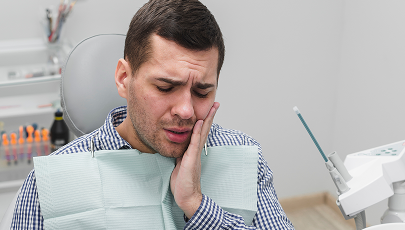
Dental problems rarely pick a convenient time, and it is hard to know whether a sudden toothache can wait until morning. Some problems need care within hours, while others can wait for a regular appointment. Knowing the difference can protect a tooth and spare you a lot of worry. This blog covers which emergencies need same-day care, which problems are urgent but not an emergency, simple steps to protect the tooth, how an emergency visit works, treatments that restore the tooth, and habits that lower the risk of another emergency.
Which Dental Emergencies Need Same-Day Care
Certain dental problems should not wait for the next regular appointment. These four need attention the same day.
Facial Swelling and Dental Abscesses Need Prompt Attention
Swelling in the face or gums, a pimple-like bump on the gum, or a bad taste in the mouth can point to an infection. Infections can spread if treatment is delayed, so a same-day visit is the safer choice.
A Knocked-Out Tooth Needs Care Within Hours
A permanent tooth that has been knocked out has a better chance of being saved when it is seen as soon as possible, ideally within about an hour. The longer the tooth stays out of the socket, the harder it becomes to save.
Severe, Constant Tooth Pain Should Not Wait
Intense pain that does not ease, keeps you awake, or does not respond to over-the-counter pain relievers can signal a deeper problem, such as an infected nerve. These cases usually need treatment, not time.
Broken Teeth With Pain or Sharp Edges Need a Visit
A broken tooth that hurts, bleeds, or has sharp edges cutting the tongue or cheek should be seen the same day. A large break can expose the inner part of the tooth, which raises the risk of pain and infection.
Many Dental Problems Are Urgent but Not an Emergency
Some dental problems need a visit within a day or two, but not on the same day. An urgent problem should not be left for weeks, while an emergency cannot wait for the next opening. Examples include a small chip without pain, a lost filling or crown that is not painful, and mild sensitivity to hot or cold. These can usually wait for a regular visit, though a short delay still helps prevent further damage. Details such as pain level, swelling, and sharp edges change the answer, so describe the problem accurately when you contact the office.
Simple Steps Protect the Tooth Until You Reach the Dentist
A few simple steps can protect the tooth and ease discomfort until you reach the dentist. These steps help with comfort only and do not replace a visit. Helpful steps include:
- Rinse your mouth with warm water to clear away debris.
- Apply a cold compress to the cheek to reduce swelling and discomfort.
- Keep a knocked-out permanent tooth moist in milk, and handle it by the crown only.
- Save any broken pieces of the tooth.
- Avoid chewing on the damaged side until the tooth is checked.
How a Same-Day Emergency Visit Works From Call to Treatment
A same-day emergency visit follows three steps: calling the office, getting relief and an exam, and planning the next step.
Calling the Office and Describing the Problem
Call as soon as the problem starts and describe what happened, where it hurts, and any swelling or bleeding. The office can tell you whether to come in right away and how to protect the tooth on the way.
Getting Relief and an Exam
The first goal is to ease pain and look at the cause. The dentist examines the area and may take digital X-rays to see what is happening beneath the surface. Numbing or sedation options can help you stay comfortable.
Planning the Next Step
Some problems are treated during the same visit, while others need follow-up care. The dentist explains the options and what happens next, so you leave with a clear plan.
Different Treatments Restore a Tooth After an Emergency
The treatment depends on what was damaged and how far the damage goes. Common options include:
- Place a same-day crown to protect a cracked or broken tooth.
- Perform root canal therapy to treat an infected or inflamed nerve.
- Bond a small chip to restore its shape.
- Remove a tooth that cannot be saved.
- Replace a missing tooth with an option such as a dental implant.
Protective Habits Lower the Chance of Another Emergency
Many dental emergencies come from preventable causes. Wear a mouthguard during sports to protect against knocks to the face. Ask about a nightguard if you grind your teeth, since grinding can crack teeth over time. Avoid biting ice, hard candy, or opening packages with your teeth. Regular checkups and cleanings help find weak fillings, cracks, and early decay before they turn into an emergency.
Get Your Dental Emergency Checked at Pennino Family Dentistry in Barrington, IL
Pennino Family Dentistry offers emergency dentistry with same- and next-day scheduling, along with root canal therapy and same-day crowns to restore damaged teeth. A visit covers what happened, how urgent it is, and the treatment that fits. Book your emergency visit at Pennino Family Dentistry in Barrington, IL today.
Frequently Asked Questions
Should I go to the emergency room or the dentist for a dental emergency?
A dentist can treat most tooth problems, including pain, breaks, and infections. Go to the emergency room for trouble breathing or swallowing, heavy bleeding, or serious facial injury. Pennino Family Dentistry handles the dental care.
What should I bring to an emergency dental visit?
Bring a list of your medications, details about when the problem started, and any broken tooth pieces or a knocked-out tooth stored in milk. Pennino Family Dentistry can then plan treatment with the full picture.
What should I do if a child’s baby tooth is knocked out?
Do not put a baby tooth back in the socket, since that can harm the permanent tooth underneath. Rinse the mouth, control bleeding with clean gauze, and call. Pennino Family Dentistry can check the area.
Can pain medicine hold off a dental emergency?
Over-the-counter pain relievers used as directed on the label may ease discomfort for a while, but they do not treat the cause. Pennino Family Dentistry can find the source of the pain and treat it.
Will I need sedation for emergency dental treatment?
Many emergency treatments need only numbing, though sedation can help if you feel anxious. Pennino Family Dentistry offers nitrous oxide and oral sedation, so ask which option suits you.