
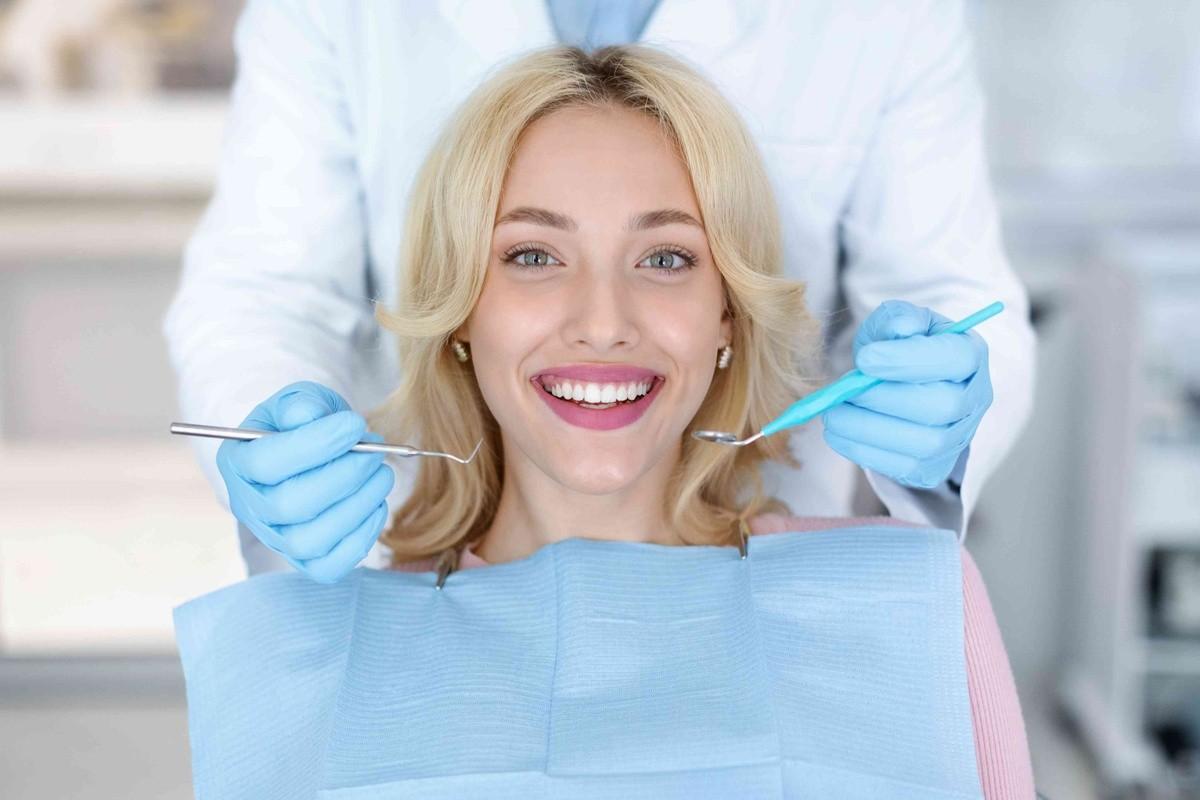
Teeth Whitening Barrington may help brighten natural teeth with certain surface stains or discoloration after a dental evaluation. Whitening can be useful for stains from foods, drinks, aging, or lifestyle habits, but it does not change the color of crowns, veneers, fillings, bonding, or some deep internal stains. In Barrington, the best whitening plan depends on tooth shade, enamel condition, gum health, sensitivity, restoration, and cosmetic goals.
Tooth color can change slowly over time. Coffee, tea, dark sauces, tobacco, aging, and enamel changes may all make teeth look duller than they once did. Some patients notice the change in photos, while others begin thinking about whitening before an event or after a dental cleaning.
For patients asking about Teeth Whitening in Barrington, the most important question is not only how bright teeth can become. It is whether whitening is the right choice for the type of stain and the condition of the teeth. At Pennino Family Dentistry, whitening conversations may begin with an exam to check enamel, gums, restorations, and sensitivity before a cosmetic plan is discussed.
How Teeth Whitening Works
Teeth whitening uses whitening agents that help break down certain stains in natural tooth structure. The goal is to make natural teeth look brighter.
Whitening works best on natural enamel. It does not change the color of crowns, veneers, fillings, bonding, bridges, or dentures. This matters when restorations are visible near the front of the mouth.
A dental evaluation helps identify whether whitening is likely to help. Some stains respond better than others, and some patients need other dental care before whitening is recommended.
Common Causes of Tooth Discoloration
Tooth color can change for several reasons. Surface stains often come from coffee, tea, red wine, soda, berries, sauces, and tobacco. Plaque and tartar buildup may also make teeth look dull.
Aging can affect tooth color because enamel becomes thinner over time, allowing the deeper dentin layer to show through. Some discoloration may come from past injury, medication exposure, or internal tooth changes.
Different stains respond differently to whitening. This is why it is useful to know what is causing the color change before choosing treatment.
When Whitening May Be a Good Option
Whitening may be a good option for patients with healthy natural teeth and stains that are likely to respond. It may help brighten teeth affected by common food, drink, or aging-related discoloration.
Patients should have cavities, gum inflammation, exposed roots, or strong sensitivity checked before whitening. Whitening over an untreated concern may cause discomfort or uneven results.
A dentist Barrington evaluation can help determine whether whitening is suitable or whether another cosmetic treatment may fit better.
When Veneers May Fit Better
Dental veneers Barrington patients consider may be better when colour is only part of the concern. Veneers can change the front surface of teeth and may help with chips, worn edges, small gaps, deep stains, or uneven shape.
Whitening only changes shade. It does not repair chips, close spaces, or reshape teeth. If a patient wants both a brighter color and a different tooth shape, veneers may be discussed.
This does not mean veneers are always better. Whitening may be the more conservative option when the teeth are healthy, and color is the main concern.
How Invisalign May Affect Smile Planning
Invisalign Barrington patients ask about may help straighten teeth before cosmetic whitening or veneers are considered. Tooth position can affect how a smile looks, even when the tooth color is bright.
If teeth are crowded or rotated, whitening may improve shade but not alignment. Invisalign may be discussed first when the tooth position is the main concern.
The order of cosmetic care matters. Aligning teeth before whitening or veneers may create a more predictable plan in some cases.
What Whitening Cannot Change
Whitening does not change every dental concern. It cannot lighten crowns, fillings, veneers, bonding, or bridges. It also cannot repair tooth damage or change tooth shape.
If one tooth is darker because of past trauma or root canal treatment, whitening may not create an even result. That tooth may need a different cosmetic or restorative option.
Patients should also understand that whitening results vary. Tooth structure, stain type, age, enamel thickness, and habits all affect the final shade.
Benefits Patients Often Want from Whitening
Whitening may be appealing because it focuses on natural tooth color without changing the tooth shape. It may be part of a simple cosmetic refresh when oral health is stable.
Whitening may help with:
- Brightening natural enamel
- Reducing certain surface stains
- Refreshing a dull-looking smile
- Creating a cleaner-looking shade
- Supporting cosmetic planning before restorations
- Improving confidence in photos or conversations
- Understanding which stains may need other care
- These benefits depend on oral health, enamel, stain type, sensitivity, and maintenance habits.
What to Expect Before Whitening
Before whitening, the dentist may examine your teeth and gums. The visit may include checking for cavities, gum recession, exposed roots, enamel wear, sensitivity, and visible restorations.
A cleaning may be recommended if plaque or tartar is making teeth look dull. Your dentist may also review your current shade and discuss realistic expectations.
If whitening is suitable, instructions will depend on the method used. Patients should follow directions carefully to reduce sensitivity and protect the gums.
Keeping Teeth Brighter After Whitening
Whitening results do not last forever because teeth can stain again. Coffee, tea, tobacco, wine, dark sauces, and frequent snacking may affect shade over time.
Good brushing, flossing, and regular dental cleanings help reduce surface buildup. Drinking water after stain-causing foods or drinks may help rinse the mouth.
Some patients may need touch-ups later. Timing depends on diet, habits, enamel, and the whitening method used.
Local Patient Review
“I wanted whiter teeth but did not know if whitening would work because I had old fillings. The visit helped me understand what could change and what would not.”
A Brighter Smile Starts With the Right Evaluation
Whitening can be helpful when natural tooth stains are the main concern, but the best option depends on the cause of discolouration. For patients in Barrington comparing whitening, veneers, or other cosmetic choices, Pennino Family Dentistry can help explain what may fit after evaluating the teeth and gums.
Frequently Asked Questions
Does Teeth Whitening Barrington treatment work on all stains?
Whitening works best on many natural tooth stains from foods, drinks, aging, or habits. Deep internal stains or restorations may need another option.
Will whitening change crowns or fillings?
No, whitening does not change the colour of crowns, fillings, bonding, bridges, or veneers. Your dentist can check visible restorations before whitening.
Can whitening cause sensitivity?
Some patients notice temporary sensitivity during or after whitening. Your dentist can discuss ways to reduce sensitivity based on your teeth and gums.
Is whitening better than veneers?
They solve different concerns. Whitening changes natural tooth colour, while veneers may change colour, shape, size, and the appearance of chips or gaps.
Should I whiten before getting veneers?
Sometimes whitening is done first so veneer shade can be planned around brighter natural teeth. Your dentist can recommend the right order.
Can Invisalign and whitening be combined?
They may both be part of a smile plan, but timing matters. Alignment may be recommended first if tooth position is the main concern.
How long do whitening results last?
Results vary based on diet, oral hygiene, tobacco use, enamel, and stain habits. Regular cleanings and touch-ups may help maintain brightness.
Who should avoid whitening?
Patients with untreated cavities, gum disease, exposed roots, strong sensitivity, or certain restorations may need other care first.