
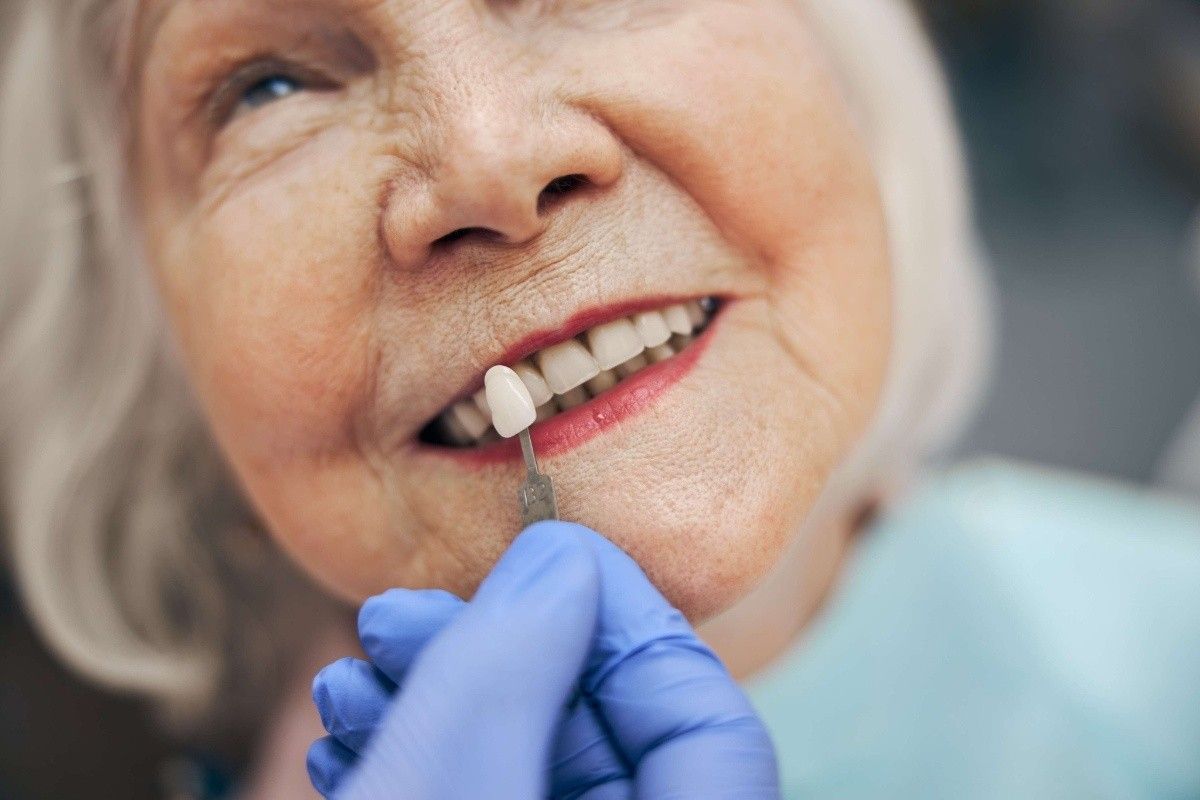
Dental veneers Barrington patients may consider improving the appearance of teeth with chips, stubborn stains, uneven edges, small gaps, worn enamel, or shape concerns after a dental evaluation. Veneers are thin coverings placed on the front of selected teeth to change color, size, shape, or symmetry. In Barrington, suitability depends on enamel, gum health, bite pressure, existing restorations, tooth position, and long-term maintenance needs.
A smile concern does not have to be large to feel noticeable. One chipped edge, one stained tooth, or a few uneven front teeth can affect how a person feels in photos or conversations. Some patients want a brighter smile, while others want teeth to look more even or balanced.
For patients exploring dental veneers in Barrington, veneers may be one option when the concern involves tooth shape, color, size, or surface appearance. They are not right for every smile concern, and they should not be chosen without checking tooth health first. During cosmetic consultations, Pennino Family Dentistry may compare veneers with whitening, Invisalign, bonding, or crowns to help patients understand what fits their needs.
What Dental Veneers Are
Dental veneers are thin custom coverings placed on the front surfaces of selected teeth. They are often used on teeth that show when a person smiles.
Veneers may help change the appearance of tooth color, shape, size, length, and symmetry. They may be used for chips, worn edges, small gaps, uneven teeth, or stains that whitening cannot fully improve.
A veneer only covers the visible surface of the tooth. The tooth and gums still need daily care, and the bite must be evaluated before treatment is recommended.
When Veneers May Be Considered
Veneers may be considered when teeth are healthy enough to support them, and the main concern is cosmetics. A small chip, stubborn stain, short tooth, or uneven edge may lead to a veneer discussion.
Some patients want veneers because whitening did not change the shade enough. Others want a more balanced shape across the front teeth. Veneers can address several visible concerns at once.
The dentist should check enamel, gum health, bite pressure, old fillings, tooth position, and oral hygiene before recommending veneers.
Veneers Compared with Teeth Whitening
Teeth Whitening Barrington patients consider may help brighten natural enamel. Whitening focuses only on tooth color. It does not fix chips, close gaps, reshape teeth, or change tooth size.
Veneers can change color and shape together. This may make them a better fit when a patient has both staining and uneven edges or worn tooth shape.
Whitening does not change the color of crowns, fillings, bonding, or existing veneers. If visible restorations are present, shade planning should be discussed before treatment.
Veneers Compared with Invisalign
Invisalign Barrington patients ask about may help move teeth into better positions using clear aligners. Invisalign changes alignment. Veneers change the visible front surface of their teeth.
If teeth are crowded, rotated, or spaced because of alignment, Invisalign may be recommended before veneers. Moving teeth first may reduce how much cosmetic tooth reshaping is needed.
Veneers may help with small cosmetic spacing or shape concerns, but they do not move tooth roots or correct bite problems. A consultation helps identify which issue is truly causing the smile of concern.
Veneers Compared with Bonding and Crowns
Bonding uses tooth-colored resin to repair or reshape small areas. It may help with minor chips or gaps. Bonding can be a more conservative option for limited changes.
Crowns cover more tooth structures than veneers and are usually used when a tooth needs strength and protection. A tooth with deep decay, cracks, or a large filling may need a crown instead of a veneer.
Veneers fit between these options. They can create a broader cosmetic change than bonding but do not cover the whole tooth like a crown.
Why Bite Pressure Matters
A cosmetic result should also function well. If the bite places heavy pressure on the front teeth, veneers may be more likely to chip, crack, or loosen.
The dentist may check for grinding, clenching, worn enamel, flattened edges, jaw soreness, or uneven bite contact. These signs help guide treatment planning.
Some patients may need a nightguard or bite-related care to protect veneers. Others may need orthodontic treatment before cosmetic work.
Benefits Patients Often Want from Veneers
Veneers may offer cosmetic benefits when suited to the patient’s mouth and goals. They can help improve several visible concerns together.
Veneers may help with:
- Improving tooth shape
- Covering selected stains
- Smoothing worn edges
- Improving small gaps in some cases
- Creating a more even smile line
- Changing tooth size or length
- Supporting a customized cosmetic plan
- These benefits depend on enamel, gum health, bite pressure, daily care, and regular dental visits.
What to Expect at a Veneers Consultation
A veneers consultation usually begins with a discussion about what the patient wants to improve. The dentist may ask whether the main concern is color, chips, spacing, tooth size, worn edges, or overall balance.
The exam may include checking gums, enamel, bite, old fillings, tooth wear, and oral hygiene. Photos, X-rays, scans, or impressions may be recommended.
If veneers are suitable, the next steps may include shade selection, tooth preparation, impressions, temporary veneers in some cases, and final placement. The process varies based on the number of teeth treated and the type of veneers chosen.
How to Care for Dental Veneers
Veneers need daily care, just like natural teeth. Brushing, flossing, and regular dental visits help protect the gums and tooth structure around them.
Patients should avoid biting hard objects such as ice, pens, fingernails, or packaging. These habits can damage veneers and natural teeth.
The tooth under a veneer can still develop decay near the edges. If a veneer feels loose, rough, or uncomfortable, it should be checked.
Local Patient Review
“I thought veneers were only for color, but the visit helped me understand how shape, bite, and tooth health all mattered.”
A Thoughtful Way to Plan Smile Changes
Veneers can be helpful when the teeth, gums, and bites can support them. For patients in Barrington comparing veneers, whitening, Invisalign, or other cosmetic choices, Pennino Family Dentistry can help explain what may fit after a full evaluation.
Frequently Asked Questions
What are dental veneers Barrington patients usually asking about?
Patients often ask about veneers for chips, stains, uneven edges, small gaps, worn enamel, or tooth shape concerns. A dental exam helps confirm suitability.
Are veneers better than teeth whitening?
They solve different problems. Whitening changes natural tooth color, while veneers may change color, shape, size, and the look of chips or gaps.
Can veneers fix crooked teeth?
Veneers may improve the look of mild unevenness, but they do not move their teeth. Invisalign or another orthodontic option may be needed for alignment concerns.
Are veneers the same as crowns?
No, veneers cover the front surface of teeth, while crowns cover more tooth structure. Crowns are often used when a tooth needs strength.
Do veneers require enamel removal?
Some veneer treatments require removing a small amount of enamel. The amount depends on the case, material, tooth position, and smile plan.
Can veneers stain?
Veneers are more stain-resistant than some materials, but they still need to care. The edges and surrounding teeth can stain if hygiene or habits are poor.
How long do veneers last?
Veneer longevity depends on oral hygiene, bite pressure, grinding habits, diet, material, and regular dental care. They may need maintenance or replacement over time.
Who may not be a good candidate for veneers?
Patients with untreated cavities, gum disease, weak enamel, heavy grinding, or major bite problems may need other care first.